Card Payment Fees Explained: What You're Really Being Charged (For Irish SMEs)

Gary Grimes
CEO & Founder | Head Of Revenue at Simplí Finance
Published:
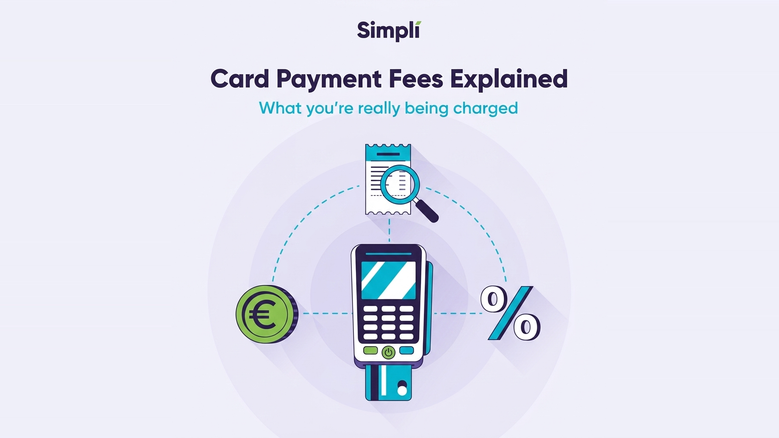
Card Payment Fees Explained: What You're Really Being Charged (For Irish SMEs)
Ever looked at your card payment fees and wondered what you’re actually paying for? I’ve spent a decade helping Irish SMEs untangle the mess of merchant service charges, hidden payment fees, and confusing statements. From what I’ve seen, understanding card payment fees is the first step to keeping more of your hard-earned revenue. In this guide, I’ll break down card payment fees explained in plain English, so you know exactly where your money’s going. You’ll learn the real costs behind every tap, swipe, and online sale. Curious how to cut through the confusion and make smarter choices for your business? Read on.
What Are Card Payment Fees?
Card payment fees are the charges your business pays every time a customer taps, swipes, or enters their card details. These fees exist because several players are involved in making card payments work, like the card issuer, the acquirer, and the card network. Each takes a small cut for their role in processing the transaction.
From what I’ve seen helping Irish SMEs, these fees can really add up, especially if you’re running a busy café or retail shop. You’ll see terms like merchant service charges, interchange fees, and scheme fees on your statements. Many owners think these are just “bank fees,” but actually, they cover everything from payment security to PCI compliance and even chargeback protection.
Types of Card Payment Fees Explained
When I first started helping Irish SMEs with business loans, I was shocked by how confusing card payment fees could be. Here’s the real breakdown, so you don’t get caught out.
The main fee is the merchant service charge (MSC). This is what your payment provider takes for every card transaction. It covers their costs and a bit of profit. Then there’s the interchange fee. This bit goes to the card issuer, like the bank that gave your customer their card. Next up, you’ve got acquirer and scheme fees. These are paid to the bank processing your payments and the card network, like Visa or Mastercard.
Don’t forget the extras. You might pay for terminal rental, PCI compliance, and even chargeback fees if a customer disputes a payment. I’ve seen too many businesses ignore these, only to get a nasty surprise on their statements. If you want a full breakdown, check out Card Payment Fees Explained: What You're Really Being Charged (For Irish SMEs).
My advice? Always review your fee structure and ask your provider to explain every charge. It’s saved my clients thousands over the years.
How Card Payment Fees Are Calculated
Card payment fees can feel like a maze, especially for Irish SMEs trying to keep costs down. In my experience, these fees are usually calculated as either a percentage of each sale or a flat fee per transaction. Some providers mix both, which can make your monthly statements a real headache.
The type of card matters a lot. Credit cards, corporate cards, and international cards often come with higher merchant service charges than local debit cards. If you’re processing lots of small payments, flat fees can eat into your margins fast. But if your average transaction value is high, percentage-based fees might sting more.
Here’s what I’ve learned from brokering deals:
- Transaction volume can help you negotiate better rates. The more you process, the more leverage you have.
- Average transaction value affects which fee structure suits you best.
- Always review your contract for hidden payment fees, PCI compliance costs, and renewal clauses.
Don’t be afraid to push back on your provider. I’ve seen businesses save thousands just by asking for a fee review. If you’re unsure, book a free consultation with Simpli Finance and let’s break down your payment processing costs together.
Book your free consultation with Simpli Finance
The Card Payment Process: Where Do Fees Go?
When a customer taps or inserts their card, the payment flow kicks off. The card details go from your payment terminal to your acquirer, who acts as your business’s bank. The acquirer checks with the card network, like Visa or Mastercard, which then asks the card issuer (the customer’s bank) if the funds are available.
Each player takes a cut. The issuer gets interchange fees, the card network takes scheme fees, and the acquirer charges acquirer fees. From what I’ve seen, these fees can feel like a maze for Irish SMEs. Fee statements often lump charges together, making it tough to spot hidden payment fees. Always review your statements and ask your provider for a clear fee breakdown. For a deeper dive, check out Card Payment Processing Ireland: What You Need to Know (Explained Clearly).
How to Reduce Card Payment Fees for Your SME
If you want to keep more of your hard-earned revenue, you’ve got to get smart about card payment fees. In my experience, the first step is comparing merchant service providers. Don’t just go with your bank out of habit. I’ve seen businesses save thousands by switching to a provider with lower merchant service charges and clearer fee breakdowns.
Choose a payment terminal that fits your business. If you’re mostly in-person, a simple contactless terminal can cut costs. For online sales, look for a payment gateway with transparent online payment fees.
Encourage customers to use debit cards or other lower-fee options. Credit card fees and international card fees can eat into your margins.
Always review your contract terms. I’ve helped clients renegotiate acquirer fees and terminal rental costs after spotting hidden payment fees buried in the small print. Don’t be afraid to ask for better rates or switch providers if your transaction volume grows.
If you want a deeper dive, check out this Merchant Services Ireland guide for more tips.
I’ve learned that regular fee audits and honest conversations with your provider can make a real difference. Don’t let payment processing costs hold your business back. If you’re ready to get serious about reducing costs and boosting your bottom line, book a free consultation with Simpli Finance below.
Contactless and Online Payments: Fee Considerations
Contactless and online payments have changed the game for Irish SMEs, but the fee structures can catch you out if you’re not careful. In my experience, contactless transactions often come with slightly lower merchant service charges compared to chip and PIN, but online payments usually attract higher processing fees due to extra security and PCI compliance costs. That’s the trade-off for convenience and speed.
Online payments also mean you’re paying for payment gateway charges on top of standard card transaction fees. I’ve seen businesses get stung by hidden payment fees when they didn’t read the fine print. If you want a deeper dive, check out my guide on Contactless Payment Solutions for Small Business.
Irish consumers are moving fast towards contactless and online payments, so it’s vital to review your fee statements regularly. Don’t be afraid to negotiate with your payment provider or switch if you spot better terms. The right setup can save you real money and help you grow faster.
Common Mistakes Irish SMEs Make with Card Payment Fees
In my ten years helping Irish SMEs secure funding, I’ve seen card payment fees trip up even the savviest business owners. The biggest mistake? Not understanding the full fee breakdown. Merchant service charges, interchange fees, and acquirer fees all add up, but many just see a single number on their statement and move on.
Another common pitfall is failing to shop around for better rates. I’ve watched clients stick with the same provider for years, missing out on savings. Hidden or extra charges like PCI compliance or chargeback fees can sneak in too, especially if you don’t review your fee statements regularly.
Don’t ignore contract terms or renewal clauses. I’ve seen businesses get locked into expensive deals because they missed the fine print. Always review contracts before signing, and set reminders for renewal dates. If you’re unsure, get a second opinion. It’s worth it.
FAQ: Card Payment Fees for Irish SMEs in 2026
- What is the average card payment fee for Irish SMEs?From what I’ve seen helping Irish businesses, the average card payment fee usually sits between 1 percent and 2 percent per transaction. This covers merchant service charges, interchange fees, and sometimes a few sneaky extras like PCI compliance or terminal rental. Always check your fee breakdown, as hidden payment fees can creep in.
- Can I pass card payment fees onto customers?In Ireland, you can’t just tack on a card fee for every customer. Regulations are strict about surcharging, especially for consumer cards. I’ve seen a few businesses get caught out, so always double-check your contract terms and Irish payment regulations.
- How often do card payment fees change?Fees can change yearly, or even more often if your contract has renewal clauses. Payment providers sometimes adjust acquirer fees or scheme fees based on transaction volume or average transaction value. I always tell clients to review their fee statements regularly and negotiate payment fees if things start creeping up.
- Are there regulations on card payment fees in Ireland?Yes, there are. Irish SMEs must follow EU and Irish rules on card transaction fees, especially around transparency and passing on costs. If you’re unsure, get a fee audit or talk to a payment processing expert, trust me, it’s saved my clients a lot of frustration.
If you want to get your business approved for the right funding, or just want a second opinion on your payment processing costs, book a free consultation with Simpli Finance.
[Book your free consult now]
Conclusion
Card payment fees can eat into your profits if you’re not paying attention, but now you know what to look for and how to fight back. From my years in Irish SME lending, I’ve seen too many businesses lose out by not reviewing their payment processing costs.
Take control, get clarity, and make your money work harder for you.
Ready to cut costs and boost your bottom line?
Book a free consultation with Simpli Finance and let’s get your business funded smarter for 2026.