How to Apply for a Business Loan in Ireland Easily (step by step plan)

Alan Bermingham
10 Years in non banking finance
Published:
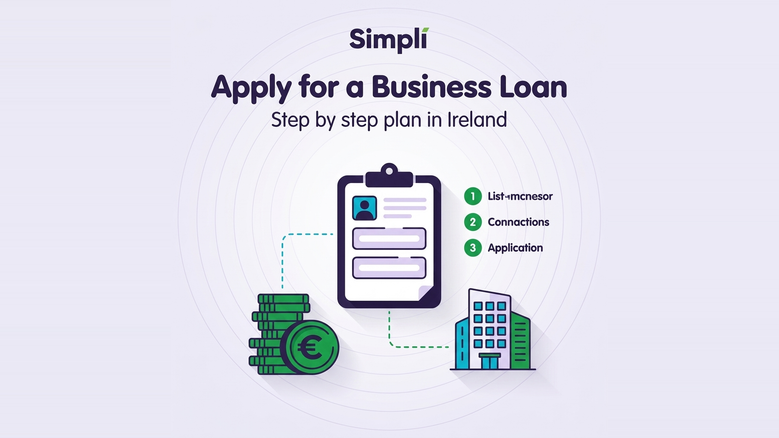
Ever felt lost trying to figure out how to apply for a business loan in Ireland? You're not alone. We've been putting funding in front of Irish SMEs for over a decade, and the same confusion lands on our desk every week: which lender, what paperwork, and why does it all take so long?
Here's the good news. The process isn't complicated once you know what lenders actually want to see. Most of the delays we untangle come down to preparation, not the business itself.
This guide walks you through the exact steps, the documents checklist we hand to every client, and the classic mistakes that trip up most business owners. Follow it and your application lands on the lender's desk ready for a yes.
- Most Irish lenders want at least six months of trading history and a clear picture of your cash flow before they approve.
- Banks typically take two to four weeks to decide; alternative lenders move much faster when your documents are ready.
- Missing or incomplete paperwork is the number one reason applications stall, so build your document pack before you apply.
- Repayment terms run one to seven years, with loan amounts from a few thousand euro up to several million depending on the lender.
Understand the Loan Types Before You Apply
Before you fill in a single form, get your head around the three options most Irish SMEs weigh up: term loans, overdrafts, and government-backed loans. Each one suits a different job, and matching the product to the need is half the battle.
A fixed term loan is the classic choice for buying equipment, funding a fit-out, or financing growth. You borrow a set amount, repay it monthly over an agreed term, and you know exactly where you stand from day one.
Overdrafts and credit lines work best for short-term cash flow gaps. Government-backed loans, like the SBCI schemes, can be a lifeline for startups or businesses with less security to offer.
Irish banks are still the biggest players, but alternative lenders are shaking things up with faster decisions and lighter paperwork. If you want the full lie of the land first, our guide to business loans in Ireland covers every product and who each one suits.
Check Your Eligibility Before You Waste a Month
From the deals we see, getting a business loan in Ireland isn't just about filling out a form. Lenders want at least six months of trading history, sometimes more, and a turnover that proves your business is actually moving.
Your credit score matters, both for the business and for you as the owner. We've watched good businesses get rejected over a missed payment from years ago, so check your record early and deal with any surprises before a lender finds them.
Your sector counts too, because some industries get knocked back more often than others. For the full breakdown of what lenders screen for, read our guide to business loan requirements in Ireland before you commit to an application.
The Step-by-Step Application Process
We've helped hundreds of Irish SMEs through this exact process, so here's what actually works, step by step.
Step 1: Build Your Document Pack
Missing paperwork is the number one reason applications stall. Get everything together before you approach anyone, because a complete pack on day one can shave weeks off the decision.
If you want to see exactly how paperwork gaps derail deals, we've written up why business loan applications get stuck on documents with the fixes for each one.
Step 2: Compare Lenders, Not Just Rates
Irish banks, alternative lenders, and government-backed schemes all have different terms, speeds, and appetites. The cheapest rate on paper isn't always the best deal once you factor in fees, security, and how fast you actually need the money.
Shop around properly, or let a broker do the legwork. We take applications to lenders every week, so we know which ones suit which situation before a form is ever filled in.
Step 3: Run the Numbers Before You Commit
Work out what the monthly repayment looks like at a realistic rate and term, then stress-test it against your cash flow. Our business loan calculator gives you the repayment figure in seconds, so you know your comfortable borrowing range before any lender does.
If the repayment only works in your best month, the loan is too big. Lenders will spot that too.
Step 4: Complete and Submit the Application
Fill out the application form carefully and double-check every detail. Mismatched figures between your form, your statements, and your business plan are exactly what underwriters go hunting for.
Submit the full document pack in one go. Drip-feeding paperwork restarts the queue with most lenders, and it's the quiet killer of "quick" applications.
Step 5: Respond Fast to Follow-Up Requests
Once you've hit submit, the waiting game begins. The fastest approvals we see come from owners who stay on top of their emails and phone calls.
Lenders might ask for an extra document or a quick call, so don't leave them hanging. We've seen deals fall apart over a missed follow-up that needed a two-minute reply.
How to Improve Your Chances of Approval
Approval isn't just about ticking boxes. Check your credit report early and fix any issues before you apply, because a clean record removes the easiest reason to say no.
Cash flow is king. Show clearly how you'll repay the loan, with up-to-date financial statements and a forecast that holds together under questioning.
And don't be afraid to get professional help. We've watched shaky applications turn into approvals just by restructuring how the numbers were presented. For the full playbook, here's our guide on how to get approved for a business loan in Ireland.
Common Mistakes That Sink Applications
The most common mistake we see? Incomplete or inaccurate documentation. Irish lenders are strict about paperwork, so double-check every form, statement, and figure before it goes in.
Another big one is overestimating revenue or underestimating expenses. It's tempting to make the numbers look good, but lenders spot inflated forecasts a mile off, and it costs you credibility on everything else in the file.
Don't ignore lender-specific requirements either. Each bank and alternative lender has its own quirks, and we once watched a solid SME get rejected for missing one small document off a lender's own checklist.
Finally, always compare multiple offers. Rates and repayment terms vary wildly between lenders, and taking the first yes can cost you real money over the life of the loan.
Interest Rates and Repayment Terms Explained
Interest rates on Irish business loans are set by each lender but influenced by the European Central Bank's base rates. You'll be offered fixed or variable: fixed gives you predictable repayments, while variable can move against you if the market shifts.
Repayment is usually monthly over one to five years for most SME term loans, stretching to seven for bigger facilities. Always ask about early repayment fees and late payment charges before you sign, because that fine print is where clients get stung.
The same pricing discipline applies to every product, not just term loans. If you're weighing up receivables funding instead, our breakdown of invoice finance costs in Ireland shows how those fees really stack up against a loan.
What Happens After You Submit
Most Irish banks take about two to four weeks to approve a business loan, though alternative lenders can be much faster, especially on smaller amounts. Government-backed schemes sit somewhere in between, and the SBCI document requirements are their own checklist, so build in extra prep time if you're going that route.
When the offer lands, read every detail. Check the rate, the term, the fees, and any security or personal guarantee being asked for.
Before you accept, have a plan for how you'll use and manage the funds. That's what separates the pros from the rest, and it's what keeps the next application even easier.
Final Thoughts
Getting a business loan in Ireland isn't rocket science, but it does take the right prep and a bit of hustle. Build the document pack first, match the product to the job, and be honest with the numbers.
Do that and you'll avoid the classic mistakes that stall most applications. The right funding partner does the rest, because a broker who knows each lender's quirks can route your application to the desk most likely to say yes.
Frequently Asked Questions
How long does it take to get approved for a business loan in Ireland?
Most Irish banks take about two to four weeks to approve a business loan, but it can be quicker if your documents are ready on day one. Alternative lenders often move faster, especially on smaller SME loans. The key is having your paperwork sorted before you apply.
Can startups apply for business loans?
Yes, but it's tougher. Lenders want a solid business plan, realistic cash flow projections, and ideally a bit of trading history. We've helped startups get funded, but it takes extra preparation, and government-backed schemes are often the friendliest starting point.
What documents are most important for the application?
Recent financial statements, tax returns, a business plan, and proof of identity are the core four. Lenders also want cash flow forecasts and sometimes personal bank statements. Missing documents are the number one cause of delays and rejections we see.
Are there government supports for business loans in 2026?
Absolutely. Government-backed loans through the SBCI and supports from Enterprise Ireland and Microfinance Ireland continue in 2026, and schemes are updated regularly. If you're not sure what you qualify for, a quick chat with a broker will narrow it down fast.