Finance After SCARP or Examinership in Ireland: Getting Funded Again (2026)

Alan Bermingham
10 Years in non banking finance
Published:
The rescue plan's been approved. The company survived, the jobs survived, and for the first time in a year you can sleep.
Then the van needs replacing, a supplier wants a bigger order paid upfront, and the bank you've used for fifteen years says "not right now".
If that's where you are, you're not alone, and you're not unfundable. But the route back is different from the one you used before, and nobody in the rescue process tends to explain it. Every page you'll find online covers how SCARP and examinership work. This one covers what happens after: what lenders see, how long it realistically takes, and which doors open first.
- SCARP and examinership leave a footprint lenders will find: CRO filings, restructured debts on the Central Credit Register and flags with credit reference agencies. Plan for it and explain it upfront.
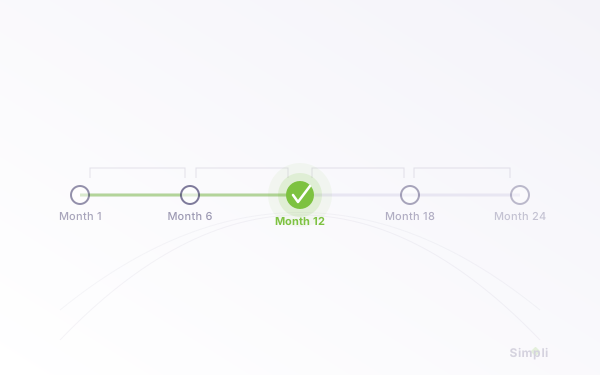
- Asset finance and finance against card takings usually come back first, often after 6 to 12 months of clean trading on the plan. Mainstream bank credit typically takes two clean sets of accounts.
- Revenue can opt out of a SCARP plan, so tax compliance is the gatekeeper. No tax clearance means no mainstream lending.
- Rebuild your file on purpose: plan payments on time, fresh management accounts, a clean bank account and an honest one-page explanation. We can't promise approval, but those four things change the odds.
SCARP vs Examinership: What Each Process Leaves Behind
A quick recap, because the two processes leave slightly different trails.
SCARP, the Small Company Administrative Rescue Process, came in under the Companies (Rescue Process for Small and Micro Companies) Act 2021 and has been available since December 2021. It's for small and micro companies. Your directors start it by resolution, not by going to court, and a process adviser (a qualified insolvency practitioner) puts together a rescue plan. Creditors vote, and a class approves it when at least 60% in number, representing a majority in value, vote in favour. The court only gets involved if someone objects. Done cleanly, it wraps up in about ten weeks.
Examinership is the older, court-supervised route. The company gets court protection for up to 70 days, extendable by 30, while an examiner puts a scheme of arrangement together. It costs more, and it often comes with a new investor.
Both end the same way, if they work: a company that's still trading, with some debts written down and a plan to pay the rest.
And both leave a trail.
What Lenders Actually See When They Check Your File
When we take a post-rescue case to a lender, here's what they find before we've said a word.
The CRO record. The appointment of the process adviser or examiner, and the statutory notices that make the plan binding, are filed publicly. Anyone who searches your company sees them.
Credit reference agencies. Firms that sell company credit reports pick those filings up, and your company's score drops. Many alternative lenders run an automated check first, so this is often the first "no" you'll get.
The Central Credit Register. Your company's loans with regulated lenders are reported to the CCR, including anything restructured or written down. Records are generally held for five years after a loan ends. If you're a sole trader or gave personal guarantees, your own record can be affected too. Our guide to your business credit score explains how lenders read all of this together.
Your accounts. This one catches people out. The debt written off in the plan usually shows as a one-off gain in that year's accounts, which makes profit look great. Lenders strip it straight out. Ask your accountant to show it separately, so nobody thinks you're hiding something.
So yes, they'll know. The question is what story the file tells next to it.
Personal Guarantees After a Rescue Plan
Here's the bit that keeps directors awake. If you personally guaranteed a company debt and that debt was written down in the plan, are you off the hook?
Don't assume so. A write-down for the company doesn't automatically release a guarantor, and creditors have, in some cases, pursued guarantors after a rescue. The detail depends on the guarantee and the plan, so get proper legal advice on your own position.
From a funding point of view, two things follow. A guarantee called in after the rescue can damage your personal credit right when you need it. And any new lender will almost certainly want a fresh personal guarantee from you, so know exactly what you're already on the hook for before you sign another one.
Realistic Timelines: When Each Type of Lender Comes Back
Nobody can promise you a date. Every case is different, and the strength of your trading since the plan matters far more than the calendar. But here's what we typically see.
| Type of finance | Earliest realistic window | What makes the difference |
|---|---|---|
| Asset finance on vehicles and equipment | 6 to 12 months of clean trading on the plan | A bigger deposit, kit that holds its value, plan payments on time |
| Finance against card takings (RBF or MCA) | 3 to 6 months of clean post-plan bank data | Steady takings and no returned payments |
| Microfinance Ireland or a credit union | 6 to 12 months | A viable plan and a clear explanation of what went wrong |
| Unsecured loans from alternative lenders | 12 to 24 months | A full set of accounts filed after the rescue |
| Pillar bank lending | 2 to 3 years | Two clean sets of accounts and tax clearance throughout |
Notice what's not in that table: the day after the plan's approved. Lenders want to see you trading through the plan, not just survive the vote.
Asset Finance and Card-Takings Finance: The Products That Open First
Why these two? Because neither relies mainly on your history.
Asset finance is secured by the asset. If the worst happens, the lender takes back the van, the oven or the excavator and sells it. That comfort is why asset finance is usually the first door to open after a rescue. Expect to put down a bigger deposit than before, often 20 to 30%, and to stick with mainstream kit that resells easily. Our guide to equipment finance in Ireland covers how lenders value the kit.
Card-takings finance looks forward, not back. A merchant cash advance or revenue-based facility is repaid as a share of what you take in, so the lender cares most about the last few months of sales. That's why it can work sooner than a term loan. Our revenue-based lending needs at least €15,000 a month in revenue and six months of trading. We've written more on how this works with a damaged record in our guide to revenue-based lending with bad credit.
A word of warning, though. These facilities cost more than bank money. Don't stack two or three of them. That's how a rescued business ends up back where it started.
For smaller amounts, Microfinance Ireland lends up to €50,000 to micro businesses with fewer than ten employees, and many of its customers come to it after a bank has said no. It's worth a conversation. Credit unions are another option, and they often know the business locally.
Revenue and Tax Clearance: The Gatekeeper After a Rescue
Here's a detail that matters more than it sounds. In SCARP, Revenue and the Department of Social Protection can opt out and exclude their debts from the plan in certain circumstances, typically where there's a history of tax non-compliance. So you can come out of a rescue with your trade creditors sorted and your tax arrears still there.
Why does it matter for finance? Because almost every mainstream lender wants tax clearance, and you won't get it with unmanaged arrears. If tax debt survived your plan, get it into a Revenue phased payment arrangement and keep to it. Our guide to funding a tax bill explains how a PPA protects your clearance.
Then never miss a return again. One late VAT3 after a rescue tells a lender more than any business plan.
What to Say When a Lender Asks About the Rescue
They will ask. So have the answer ready, and keep it short.
A good explanation covers three things. What went wrong: a lost contract, a bad debt, Covid-era tax debt, a lease you couldn't exit. What the plan fixed: which debts were written down, what's still being repaid and over how long. And what's different now: new pricing, a new finance person, monthly accounts, a customer base that's not dependent on one client.
Here's the kind of thing that works: "We lost our biggest customer in 2025 and couldn't cover the lease and the arrears. The SCARP plan wrote down 70% of our unsecured trade debt and we've paid every instalment since. We've added four new accounts, no customer is more than 20% of sales, and we produce management accounts monthly."
That's it. No blame, no excuses, just facts and evidence. Lenders read hundreds of these, and they can tell the difference between an owner who's learned something and one who's hoping nobody looks too closely.
Don't Forget Your Suppliers
Bank lending isn't the only credit that dries up. Suppliers who took a hit in the plan often move you to cash on delivery or pro forma. That ties up working capital fast.
Win them back one at a time. Pay on time, ask for a small credit limit, and build it up. Our guide to trade credit covers how suppliers assess you. A couple of suppliers back on 30-day terms can free up more cash than a small loan.
How to Rebuild a Lending File After SCARP or Examinership
You can't change what's on the record. You can change everything around it. Here's what we'd tell you across the table:
- Hit every plan payment, on time, every time. Keep the evidence. It's the single best proof you've changed course.
- Keep one clean business bank account. No returned direct debits, no bounced payments, no unauthorised overdraft. Lenders read six to twelve months of statements line by line.
- Produce monthly management accounts. A business that knows its numbers every month looks nothing like the one that needed rescuing.
- Stay fully tax compliant. Returns filed, payments made or covered by a PPA, tax clearance in hand.
- Write a one-page explanation. What went wrong, what the plan changed, and what's different now. Short, honest and specific. Lenders forgive a rescue far more easily than a cover-up.
- Start small and secured. A modest asset finance deal, repaid perfectly, becomes your first new reference point.
- Use a broker who'll present it properly. Firing your file at five lenders' automated systems just piles up declines.
For more on the wider options when your record isn't clean, our guide to business loans with bad credit covers the full range.
Rebuild Lender Trust One Clean Quarter at a Time
A rescue process saved your company. It didn't sentence it. Lenders will see it on your file for years, but they also see what you've done since, and in our experience that's what moves the decision.
Be realistic. Asset finance and card-takings finance first, alternative lenders after a full year of post-rescue accounts, the banks later still. Keep your tax clean, hit every plan payment, and tell your story honestly before anyone asks.
We can't promise you an approval. Nobody honest can. But we can take your case to the lenders most likely to say yes, and present it the way it deserves.
Frequently Asked Questions
Can I get a business loan after SCARP?
It's possible, but not straight away. Most lenders want to see trading since the plan was approved. Asset finance and finance against card takings often open first, after 6 to 12 months of clean trading. Unsecured loans and bank lending usually take longer, often one to three years.
Does SCARP show on my credit record?
Yes. The appointment and the notices are filed with the CRO and appear on your company's public record, and credit reference agencies pick them up. Any company loans that were restructured or written down are also reported to the Central Credit Register, where records are generally held for five years after a loan ends.
Is getting finance after examinership harder than after SCARP?
Not necessarily. Examinership is a court process and tends to be higher profile, but lenders mainly care about the same things after either: how you've traded since, whether you're tax compliant and whether your bank account is clean. A strong post-rescue record matters more than which process you used.
Am I still liable on my personal guarantee after a rescue plan?
Possibly. A write-down for the company doesn't automatically release a guarantor, and the answer depends on the guarantee and the plan. Get legal advice on your own position before you sign any new guarantee, because a new lender will very likely ask for one.
Can Simplí guarantee me finance after a rescue?
No, and you should be wary of anyone who does. What we can do is take your case to the lenders most open to post-rescue businesses, present your record honestly and give you a straight answer about what's realistic now and what to work on.